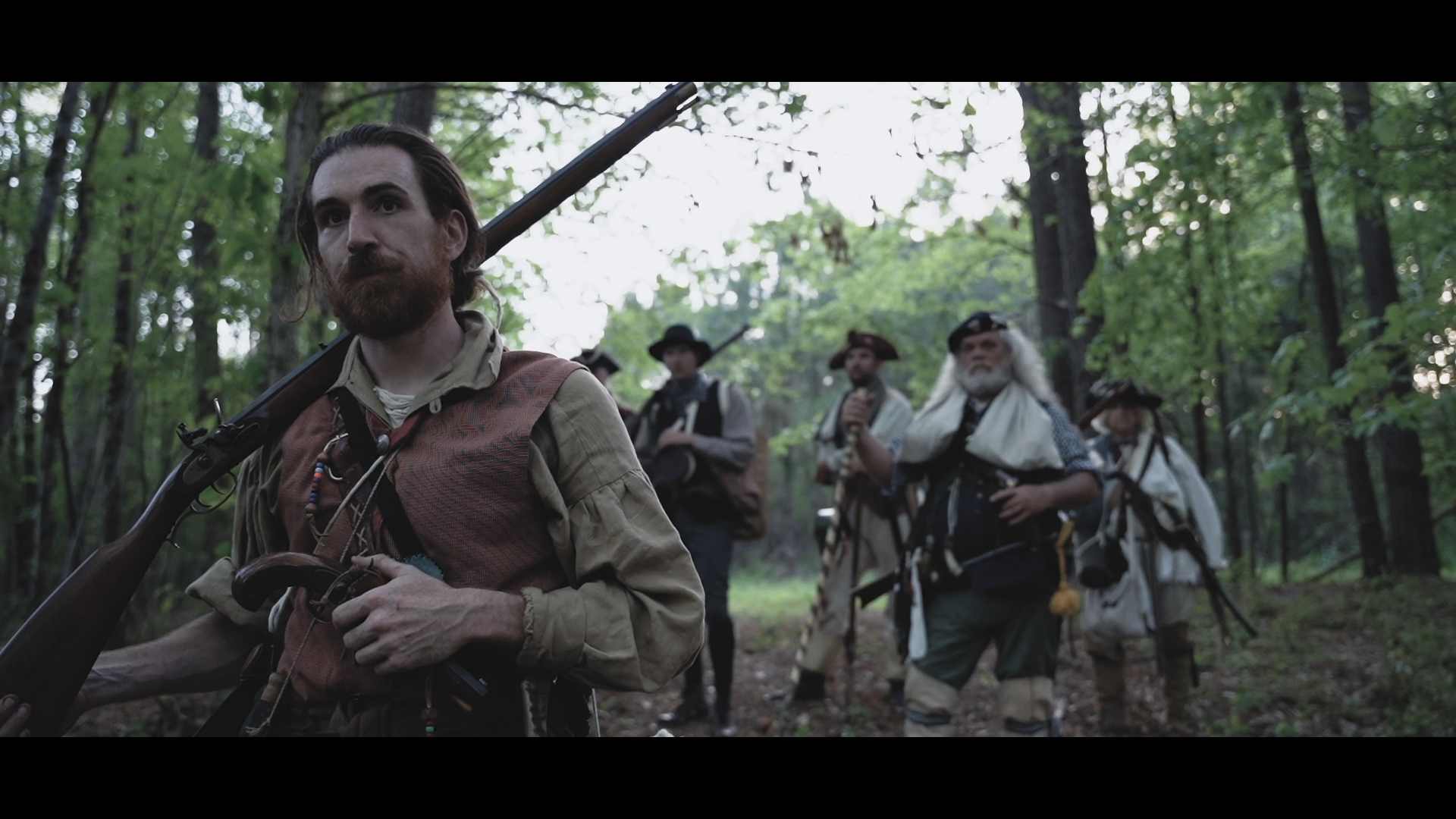
Before I ever filmed a wedding, I was making short films. Historical dramas set in Revolutionary War-era North Carolina. Stories about soldiers, sacrifice, and the weight of impossible decisions. I spent years learning how to tell a story with a camera — how to build tension, how to use light emotionally, how to find the moment inside a moment.
When I transitioned into wedding cinematography, I thought I was changing directions. What I discovered is that I was applying everything I already knew — just to a different kind of story.
Film School Teaches You
to See Differently
At UNC School of the Arts, studying for my BFA in Filmmaking, we spent a lot of time talking about something deceptively simple: what is your film actually about? Not the plot — the theme. Not what happens — what it means.
That question never leaves you. And when I'm standing at the back of a ceremony watching a couple exchange vows, I'm not just thinking about exposure settings or focal length. I'm asking myself: what is this moment about for these two people? What is the emotional truth I need to capture right now?
That instinct comes directly from narrative filmmaking. It changes what you point your camera at. It changes when you cut. It changes everything about how a final film feels.
Structure is Everything —
Even in Real Life
Every short film I've made has a three-act structure: setup, confrontation, resolution. A beginning that establishes the world, a middle where tension builds, and an ending that delivers emotional payoff.
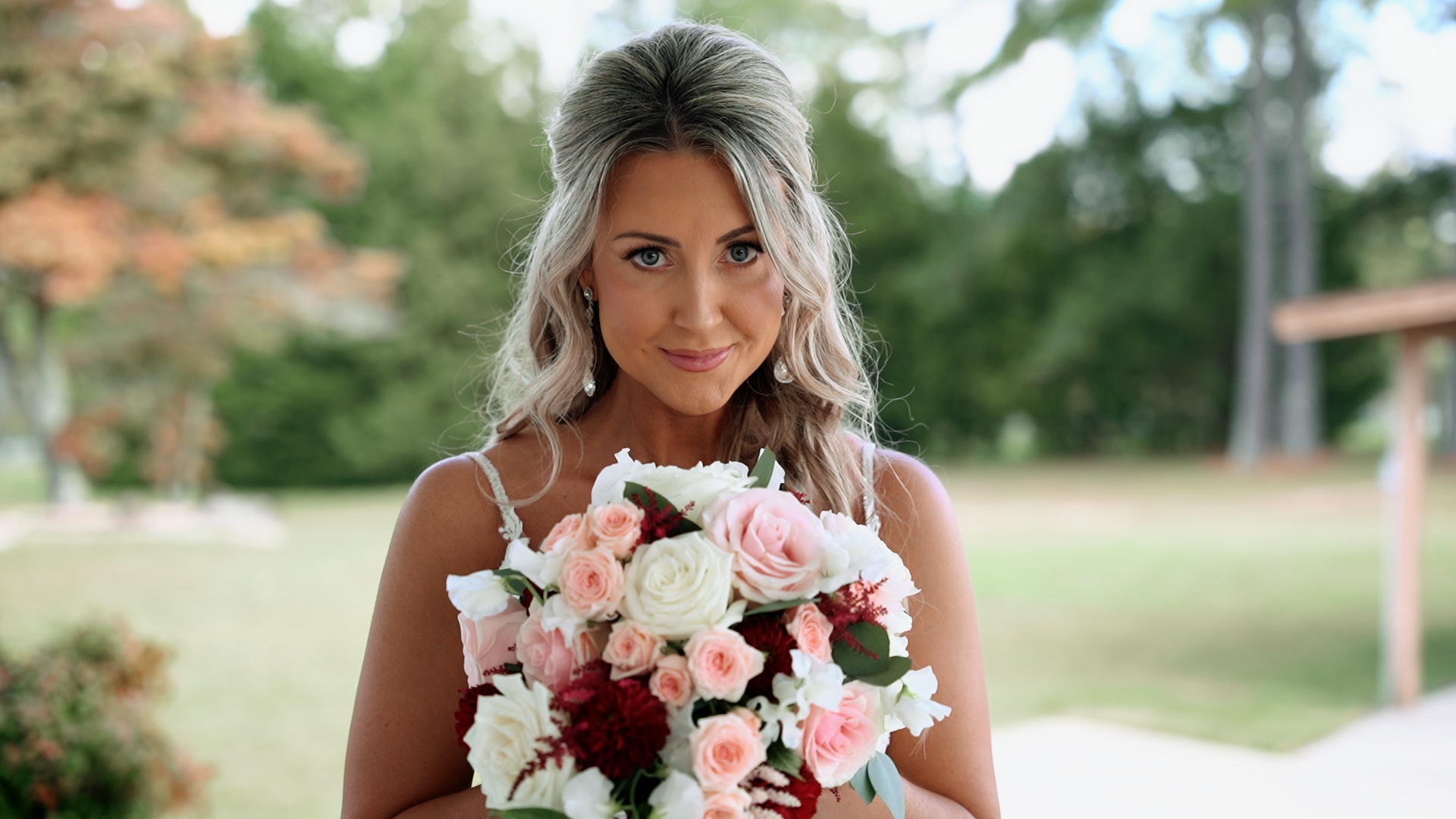
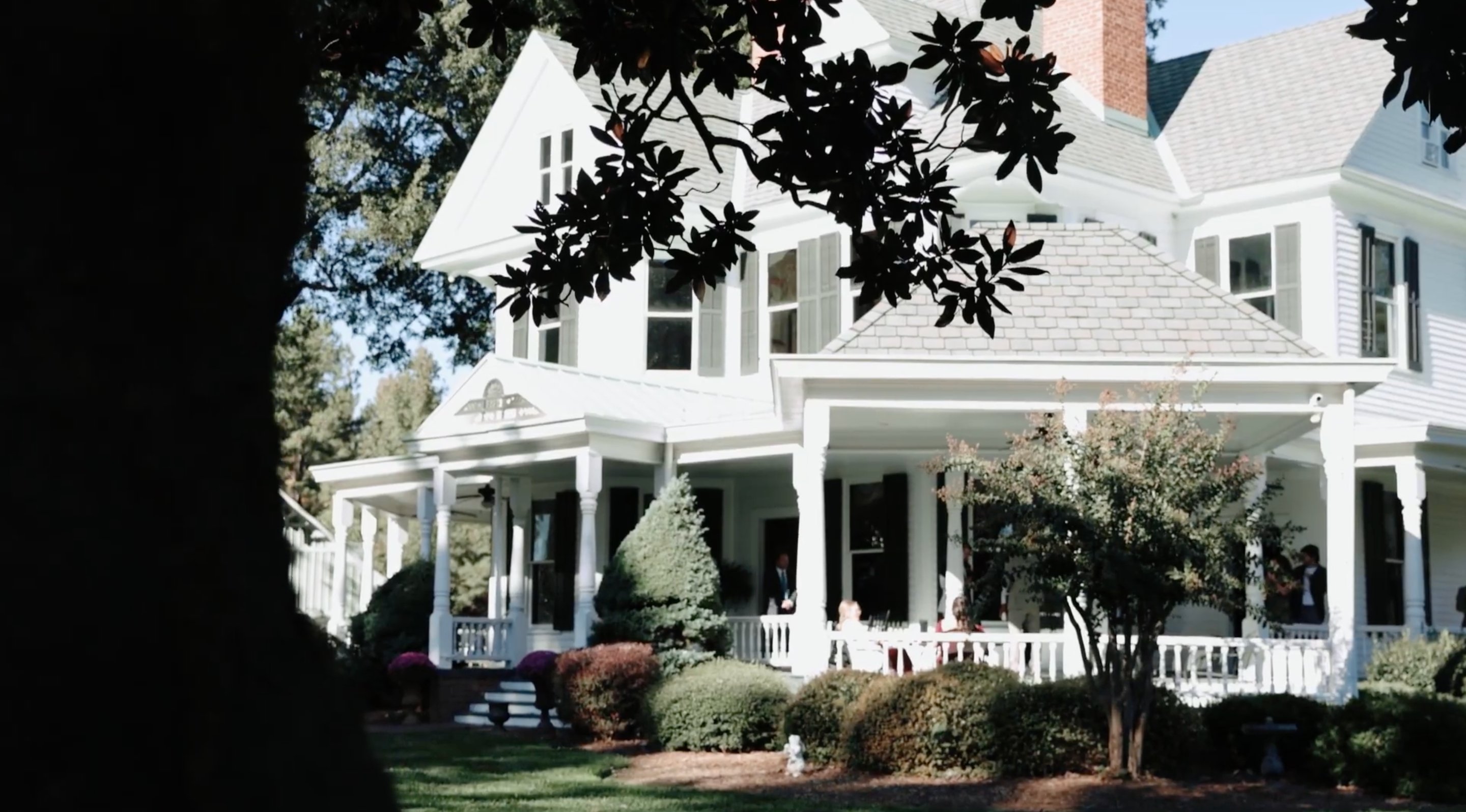
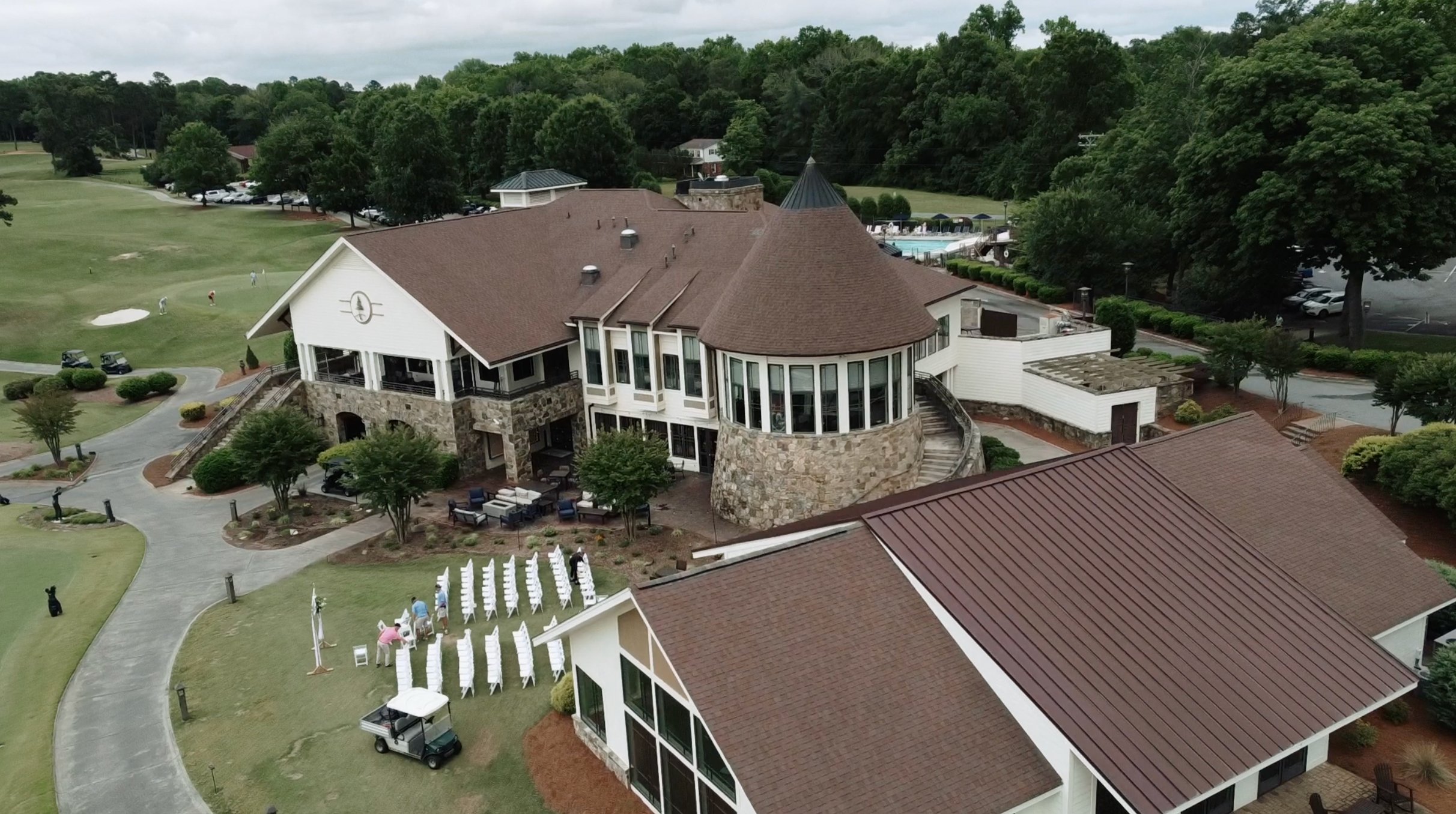
Wedding films have the same structure — they just hand it to you. The getting-ready sequence is the setup. The ceremony is the confrontation — the moment of greatest tension and release. The reception is the resolution, where the world exhales and celebrates.
When you understand story structure, you stop filming events and start filming a narrative. You're not just capturing what happens next — you're building toward something. The difference in the final product is unmistakable.
"The best wedding films aren't recordings of a day. They're stories about two people, told through the lens of their most important moment together."
Documentary Filmmaking
Taught Me to Disappear
One of the most valuable things I learned making short films was the difference between directing a scene and observing it. In documentary work — which deeply influenced my narrative style — you learn to become invisible. To earn the trust of the people you're filming so completely that they forget you're there.
That skill is everything in wedding cinematography. My couples consistently tell me they forgot I was present. That's not an accident. It's a discipline I practiced for years making films before I ever walked into a wedding venue.
When people are comfortable and unaware of the camera, you capture something real. And real is always more powerful than posed.
What I Look For
That Others Miss
Narrative filmmaking trains you to look for subtext — the thing that's happening underneath the thing that's happening. A character who says one thing but means another. A gesture that reveals more than words ever could.
At weddings, that subtext is everywhere:
- The father who holds it together all day but finally breaks during the father-daughter dance
- The groom who rehearsed his vows for weeks but forgets every word when he sees his bride
- The quiet moment between a couple before the ceremony starts, when no one else is watching
- The friend who drove eight hours to be there and is trying not to show how much it means
These are the shots that make couples cry when they watch their film for the first time. They're not on any shot list. You can only find them if you've trained yourself to see beyond the surface of a scene.
The Military Connection
My time in the U.S. Army added another layer to this. Military service teaches you to be present under pressure — to stay calm and focused when everything around you is moving fast and unpredictably. A wedding day, for all its joy, is also a high-pressure environment. Things go wrong. Schedules slip. Emotions run hot.
I don't get flustered. I don't miss shots because I was distracted. I've been trained to stay locked in — and that composure translates directly into better filmmaking when the stakes are high.
What This Means
for Your Wedding Film
When you hire Helms Productions, you're not hiring someone who learned to film weddings by filming weddings. You're hiring a trained filmmaker who chose weddings as his primary medium because he believes — genuinely — that a wedding is one of the most powerful stories a human being ever gets to live.
Every decision I make on your wedding day is informed by years of narrative filmmaking, formal film education, and a deep commitment to the craft of storytelling. The result is a wedding film that feels like a film — not a recording.
If that's what you're looking for, I'd love to talk about your day. Reach out at mhelmsproductions@gmail.com or call 980-241-7182.